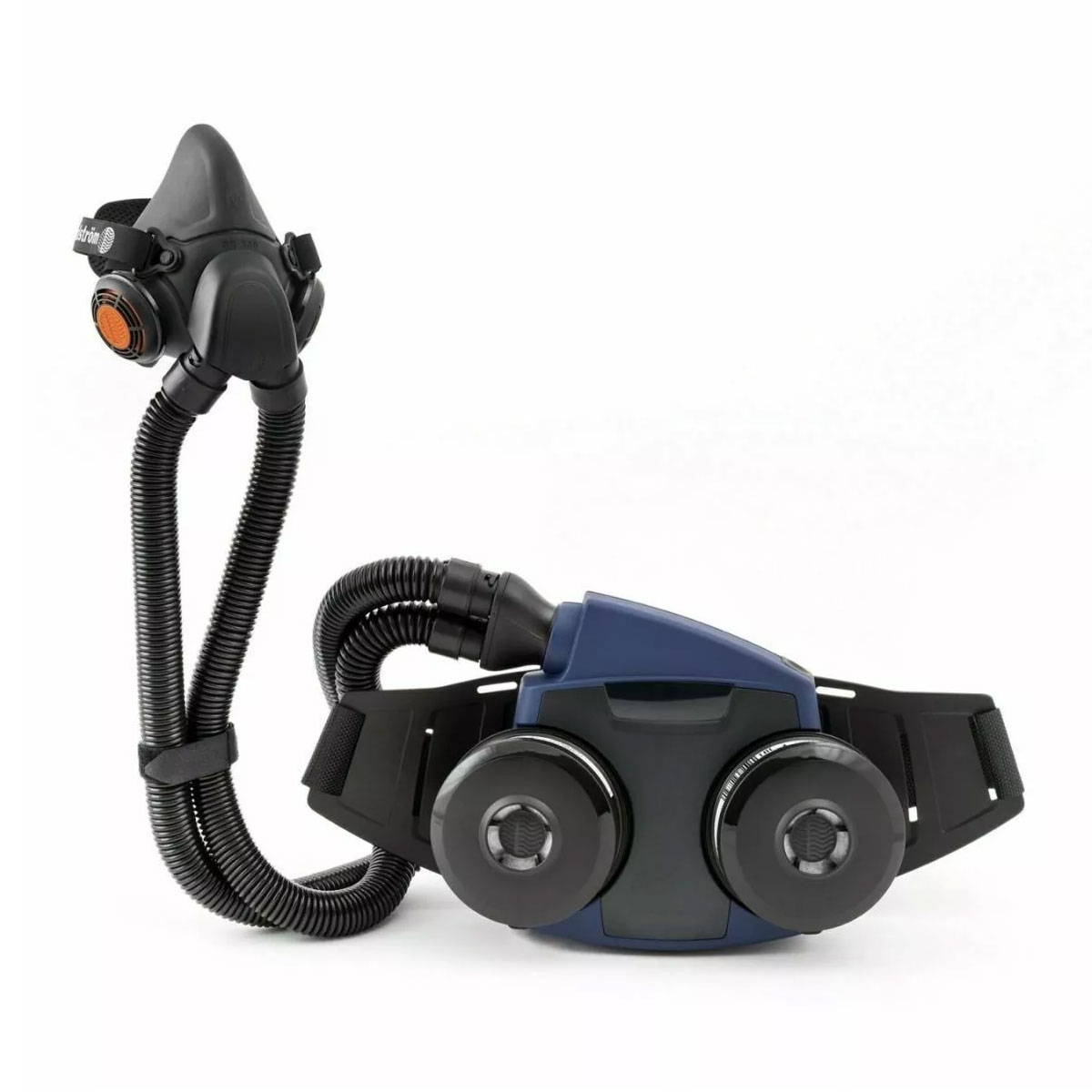
Breathing safe, clean air in the workplace is a fundamental safety requirement. When airborne hazards cannot be fully eliminated, selecting and using the correct respiratory protection is vital to prevent exposure to dusts, fumes, gases, vapors, or low oxygen environments.
Tip: RPE is the last line of defence use correct controls upstream first.
|
Hazard / Task |
Recommended RPE Type |
|
Dust or airborne particles |
Air-purifying particulate respirator (P2/P3) |
|
Fumes / gases / vapours |
Air-purifying respirator with appropriate cartridge or supplied-air system |
|
Low oxygen / unknown contaminant / confined space |
Supplied-air respirator or SCBA |
Air-purifying respirators are only appropriate where oxygen levels are adequate and contaminants are within the capacity of the respirator. Ensure filters or cartridges match the contaminant type (particulate, gas, vapor) and class.
Respirators used at work must comply with relevant Australian Standards (e.g., AS/NZS 1716:2012 “Respiratory protective devices”, and AS/NZS 1715:2009 “Selection, use and maintenance of respiratory protective equipment”).
Look for standard numbering on the respirator and packaging.
Employers should implement a formal respiratory protection program when RPE is required.
Air-purifying respirators (tight fitting):
Supplied-air or powered respirators:
Follow manufacturer instructions for air supply, hoses, battery checks, and ensure compatibility with the facepiece.
All workers using RPE must be trained in:
Protecting your lungs and airways is non-negotiable. When airborne hazards remain after other controls, correct selection, fit, use, and maintenance of respiratory protection will ensure you breathe safely and maintain compliance.
©2026 All rights reserved